Research Infrastructure

Laboratories & Spaces

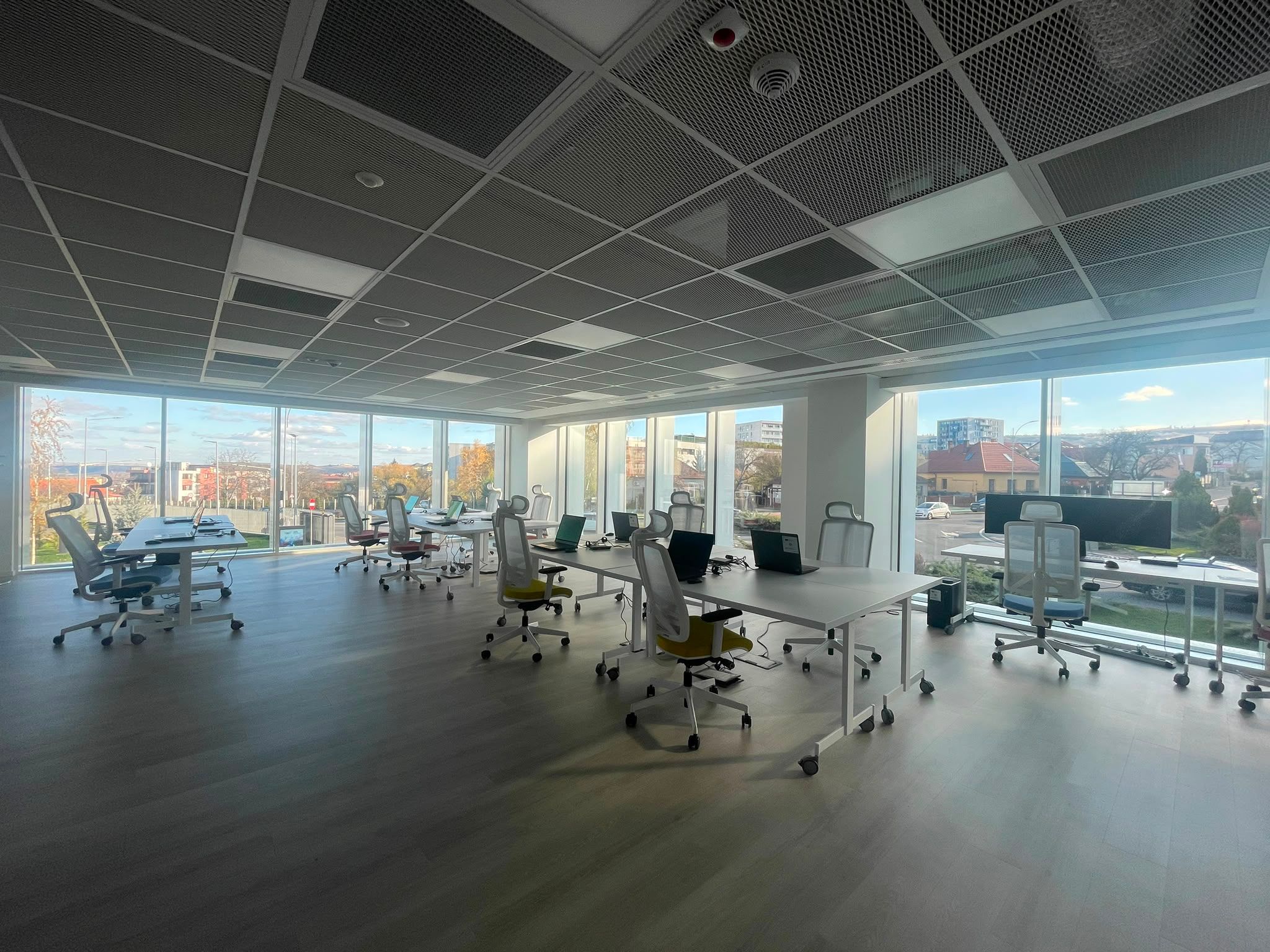
State-of-the-art research environments sponsored by visionary industry leaders and dedicated to advancing AI innovation.

Accesa AI Lab
L102
Sponsored byACCESA

Accesa AI Lab

How can organisations run AI on their own infrastructure, and when is it worth the investment? The lab evaluates open AI models for practical business tasks, exploring which models fit specific needs, what resources they require and how they work with internal data and systems. Research also examines security, governance, costs and benefits over time. Supported by Accesa, the lab connects academic expertise with real industry challenges, empowering the minds behind AI.

12 seatsAnca Nicoleta MărgineanAdina Morariu
Explore
CYDAR - Cybersecurity Defence and Attack Resilience Laboratory
L203

CYDAR - Cybersecurity Defence and Attack Resilience Laboratory

CYDAR brings together researchers, academics, and students at the Technical University of Cluj-Napoca with a shared interest in cybersecurity. The laboratory aims to advance the understanding of cyber threats and develop effective approaches to protecting digital systems and strengthening their resilience to attacks. Through collaborative research, experimentation, and education, CYDAR connects offensive and defensive perspectives to address cybersecurity challenges.

12 seatsAdrian ColeșaDaniel Zinca
Explore
Distributed Systems Research Laboratory
L202

Distributed Systems Research Laboratory

We are exploring artificial intelligence, distributed computing, digital twins, and optimization. We develop intelligent, scalable solutions to real-world challenges in energy, healthcare, industry, and beyond.

Tudor Cioara
Explore
Image Processing and Pattern Recognition Research Center (IPPRRC) - 1
L302

Image Processing and Pattern Recognition Research Center (IPPRRC) - 1

The Image Processing and Pattern Recognition Research Center (IPPRRC) focuses on the research and development of intelligent autonomous systems using advanced AI techniques. Its activities include mobile robotics, autonomous navigation, computer vision, environment perception, object detection, semantic segmentation, and intelligent decision-making. The laboratory explores AI-driven solutions for autonomous robots and unmanned aerial vehicles (UAVs), combining machine learning, sensor fusion, and real-time data processing to develop systems capable of perceiving, understanding, and interacting autonomously with complex environments.

12 seatsSergiu NedevschiFlorin Ioan Oniga
Explore
Image Processing and Pattern Recognition Research Center (IPPRRC) - 2
L303

Image Processing and Pattern Recognition Research Center (IPPRRC) - 2

The Image Processing and Pattern Recognition Research Center (IPPRRC) focuses on the research and development of intelligent autonomous systems using advanced AI techniques. Its activities include mobile robotics, autonomous navigation, computer vision, environment perception, object detection, semantic segmentation, and intelligent decision-making. The laboratory explores AI-driven solutions for autonomous robots and unmanned aerial vehicles (UAVs), combining machine learning, sensor fusion, and real-time data processing to develop systems capable of perceiving, understanding, and interacting autonomously with complex environments.

Sergiu NedevschiRadu Gabriel Dănescu
Explore
L001

Immersive Technologies in Education

The Center for Immersive Technologies in Education is a flagship immersive education ecosystem, established on 25 March 2026 and funded through the National Recovery and Resilience Plan (e-PNRR grant No. 1277457265, eut4all.utcluj.digital).

4 seats
Explore
Infinineon Semiconductor AI Lab
L204
Sponsored byInfineon

Infinineon Semiconductor AI Lab

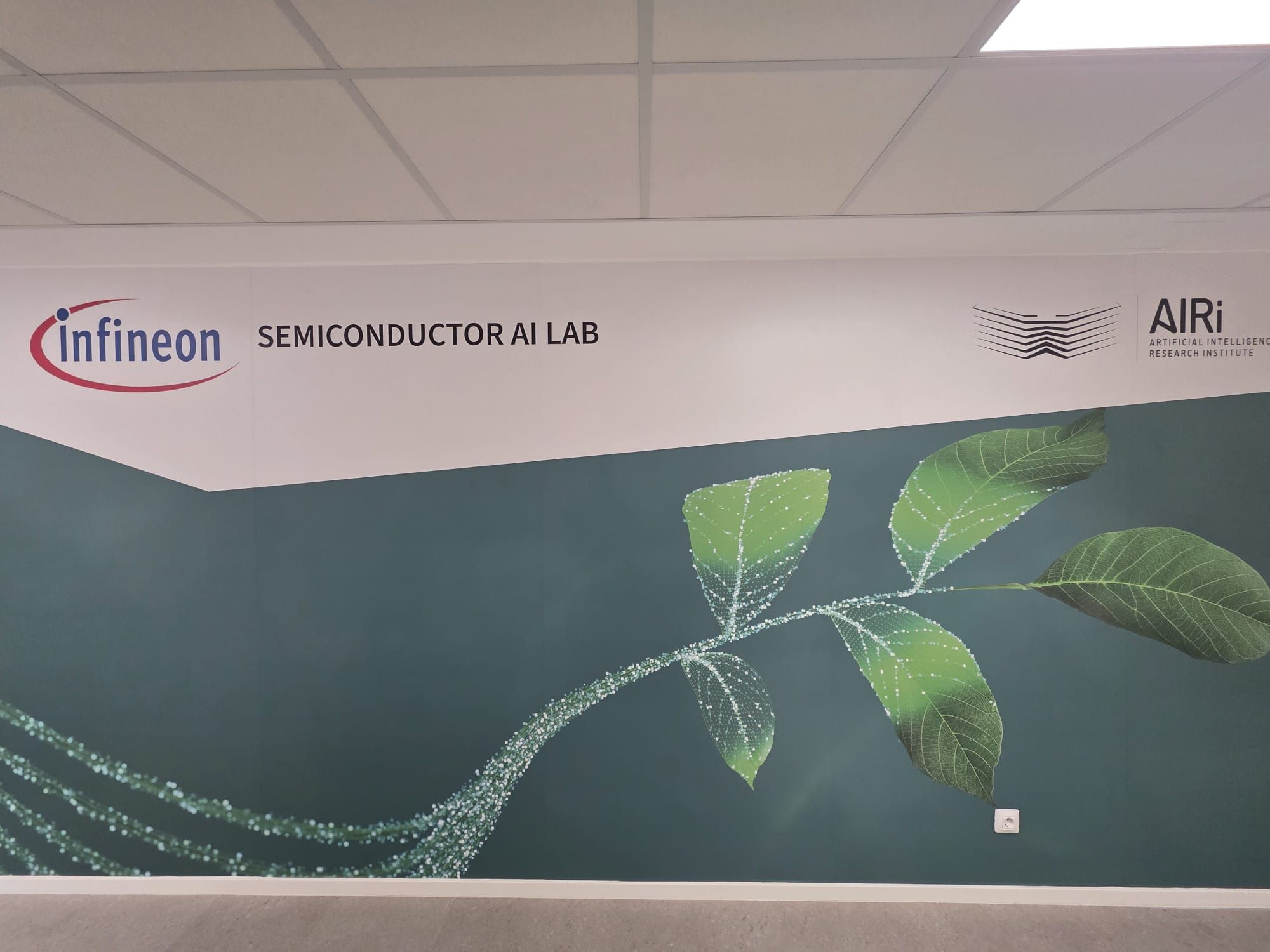
Joint Interdisciplinary “Infineon Semiconductor AI Lab” 
with joint projects in the areas of AMS-Design, ML/AI and Multiphysics Modeling of Integrated Circuits

12 seatsMarius Neag
Explore
Logo
L301Tour
Sponsored byNXP Semiconductors Romania

NXP SACIF - High Frequency Circuits and Autonomous Systems Laboratory

The NXP Laboratory for Autonomous Systems and High-Frequency Circuits is the result of an outstanding collaboration between the Technical University of Cluj-Napoca (UTCN) and NXP Semiconductors Romania. It was established out of the necessity to consolidate and develop new, strategic areas that the company aims to address, namely autonomous systems (drones, sensors, etc.) and high-frequency circuits for radar systems. The laboratory's activity covers main directions such as: the modeling, analysis, and testing of very high-frequency radar systems; efficient multi-physical modeling (electro-thermo-mechanical processes in integrated circuits and electromagnetic field distribution in complex systems, including corrosion, metal pipes, cables, and high-voltage lines); EMC pre-compliance testing and the analysis of emissions and immunity to disturbances (conduction, radiation); human exposure to electromagnetic radiation; and the design and prototyping of high-frequency filters. The research also aims to develop methodologies and circuit solutions to minimize the effects of non-idealities inherent in nanometric technology integration, focusing on the performance of clock signal generation in integrated digital systems. The laboratory is involved in national and European research projects and contributes to the training of new generations of researchers by involving bachelor's, master's, and doctoral students in top-tier scientific and technological activities. A distinctive element of the laboratory's activity is the close integration of the academic environment with industrial excellence, alongside active participation in a European research network dedicated to advanced microelectronics.

12 seatsIoan Marius Purcar
Explore
Orange 5G Lab
L104
Sponsored byOrange Romania

Orange 5G Lab

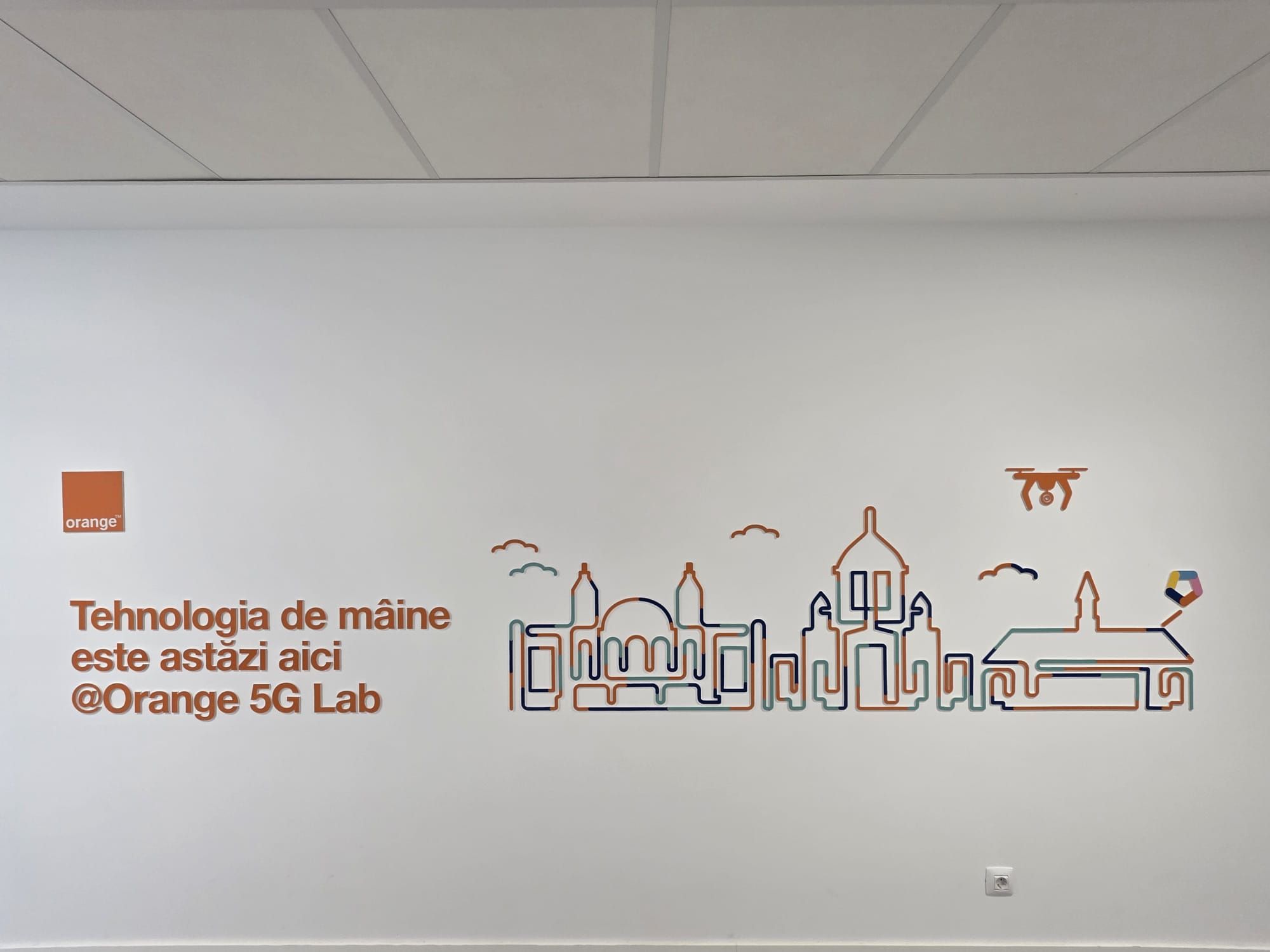
The main focus of the laboratory will be on dual-use applications targeting the usage of telco infrastructures for both commercial and defense use cases, including Integrated Sensing and Communications (ISAC) and Quantum-ready cybersecurity solutions (e.g. PQC, QKD). Moreover, the Cluj-Napoca 5G Lab will also investigate the integration of AI-enabled technologies in radio, networking and computing architectures.

12 seatsVirgil DobrotaCristian Patachia Sultanoiu
Explore
Physical AI · Knowledge Engineering
L105Tour
Sponsored byAnalog Devices Romania

Physical AI · Knowledge Engineering

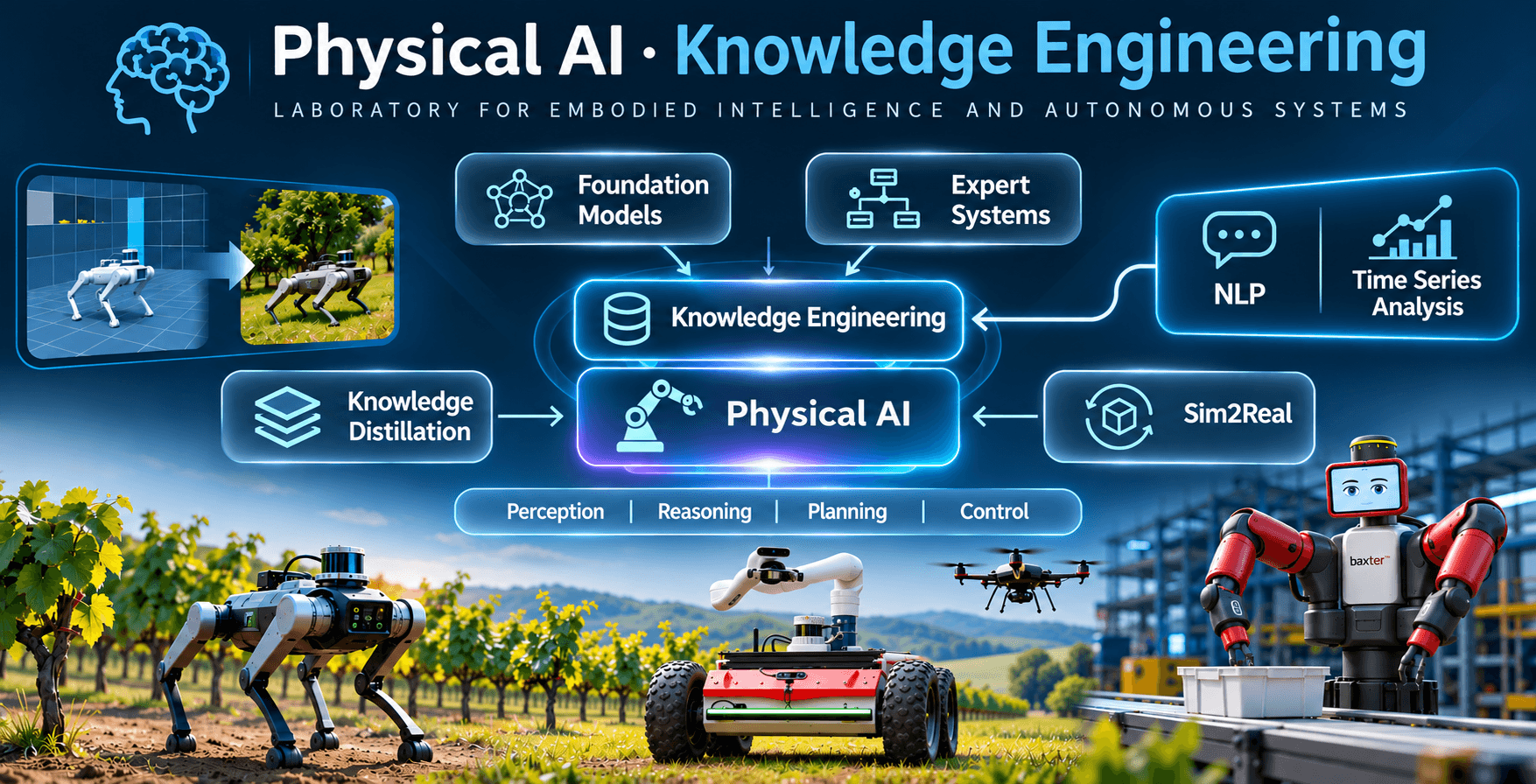
The Physical AI · Knowledge Engineering Lab focuses on developing intelligent systems that connect knowledge, perception, reasoning, and physical action. Our research explores AI technologies for robots and autonomous systems, combining multimodal perception, knowledge representation, machine learning, foundation models, and intelligent computing. We investigate how AI can understand complex physical environments, build and use knowledge, and make robust decisions in real-world settings - from autonomous robots and agricultural systems to industrial and service applications. The laboratory brings together AI, robotics, embedded computing, and knowledge engineering to develop the next generation of intelligent machines that can perceive, reason, learn, and act.

12 seatsLevente TamásCamelia Lemnaru
Explore
Robotics and IoT
L 306Tour

Robotics and IoT

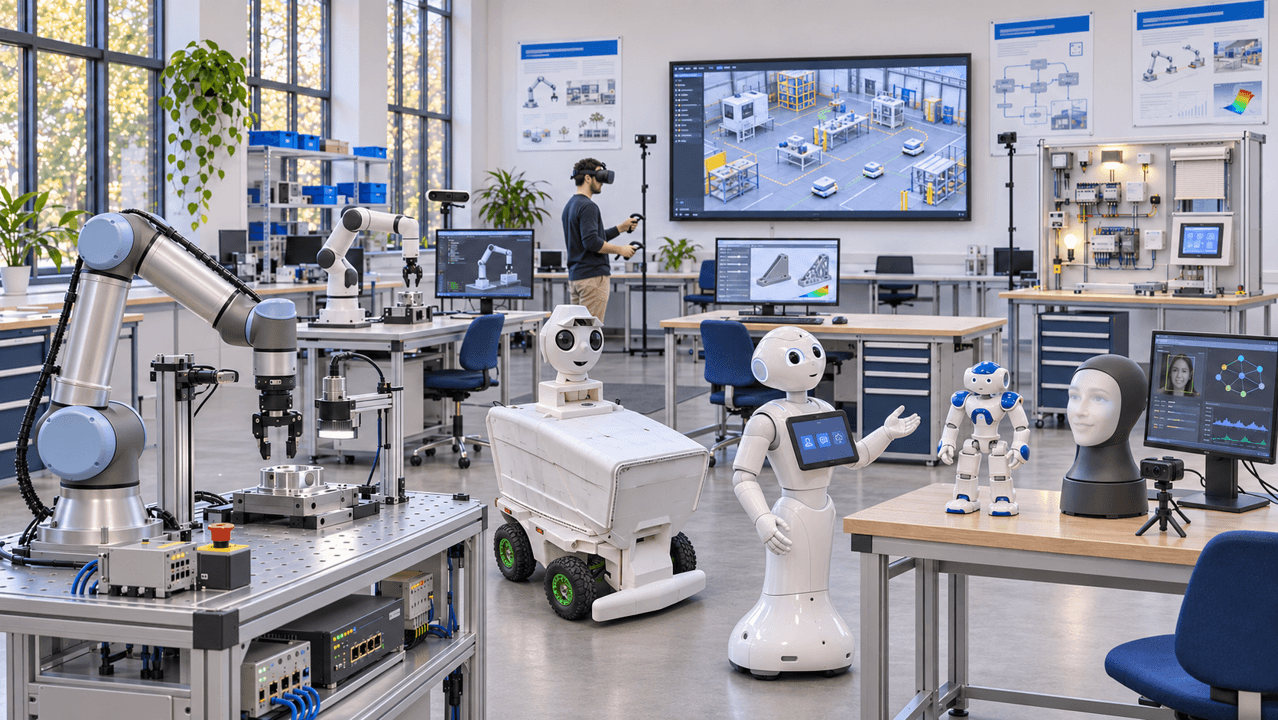
The Robotics and IoT Laboratory focuses on the research and development of Physical AI and Industrial AI for intelligent robotic systems, industrial equipment and manufacturing environments. Its activities address cognitive and collaborative robotics, intelligent manipulation, adaptive automation and human–robot interaction, combining perception, learning, reasoning and control. Particular emphasis is placed on hybrid approaches that integrate physical models, machine learning and symbolic knowledge. Research priorities include physics-informed neural networks (PINNs) for modelling robot dynamics and complex behaviour of industrial processes, together with digital twins for system identification, simulation, virtual commissioning, monitoring and optimisation. Applications include predictive maintenance, multisensor quality inspection, energy efficiency and the adaptive operation of robotic cells and production systems. The laboratory also explores neuro-symbolic and agentic AI for task planning, operator assistance and the coordination of manufacturing resources. The laboratory also explores AI-assisted inventive design, combining generative and neuro-symbolic AI with systematic innovation methods to formulate engineering problems, address design contradictions, and generate and evaluate new concepts for robotic and manufacturing systems. Another research direction is the integration of IoT and Industrial IoT (IIoT) into smart and software-defined factories. This includes smart sensing, embedded and edge AI, industrial interoperability, and the connection of sensors, actuators, robots, industrial controllers and manufacturing information systems. Research investigates how modular architectures, digital twins and software-based orchestration can support the flexible configuration, coordination and reconfiguration of production capabilities. Through applied research, prototyping and experimental validation with industrial partners, the laboratory aims to develop scalable solutions for intelligent manufacturing, while supporting researcher training and technology transfer.

12 seatsStelian BradIoan-Valentin Sita
Explore
Robotics for Healthcare Research Laboratory
L 305
Sponsored byPolitehnica University Timisoara

Robotics for Healthcare Research Laboratory

The Robotics for Healthcare Laboratory aims at the integration of artificial intelligence and robotics into healthcare, with a focus on three key research areas: General Surgery, Oral and Maxillofacial Surgery, and Rehabilitation. Through interdisciplinary research, we develop intelligent, adaptive, and human-centered robotic systems aimed at enhancing surgical precision, improving patient outcomes, and addressing real-world challenges in modern healthcare.

12 seatsDoina Liana PislaRusu-Both Roxana
Explore
Trustworthy Intelligent Systems
L201Tour

Trustworthy Intelligent Systems

We know how to torture data to make a full confession. We master various torture instruments: CNN, RNN, GNN, SVM, PCA, GradientBoosting Trees.

12 seatsAdrian Petru GrozaCristina Feier
Explore
Vodafone Innovation Hub
L103
Sponsored byVodafone Romania SA RO

Vodafone Innovation Hub

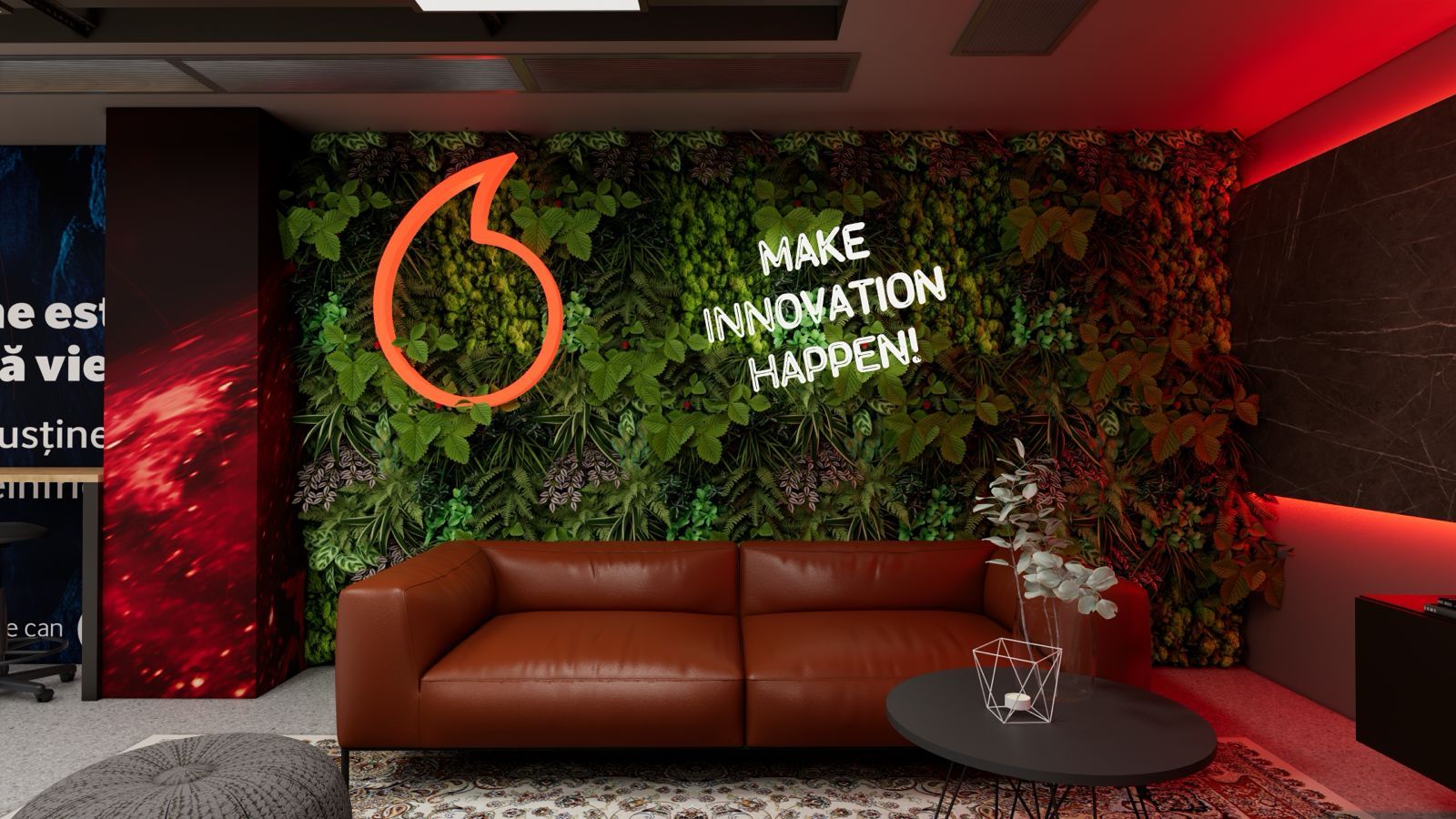
The Vodafone Innovation Hub at UTCN is a collaborative space that connects students, researchers, and industry experts to explore emerging technologies and develop practical solutions. Through access to modern technologies, hands-on projects, workshops, and collaboration opportunities with Vodafone, the Hub supports innovation, research, and the development of skills needed for the digital future.

12 seatsEmanuel Dumitru PușchițăCiprian Zamfirescu
Explore