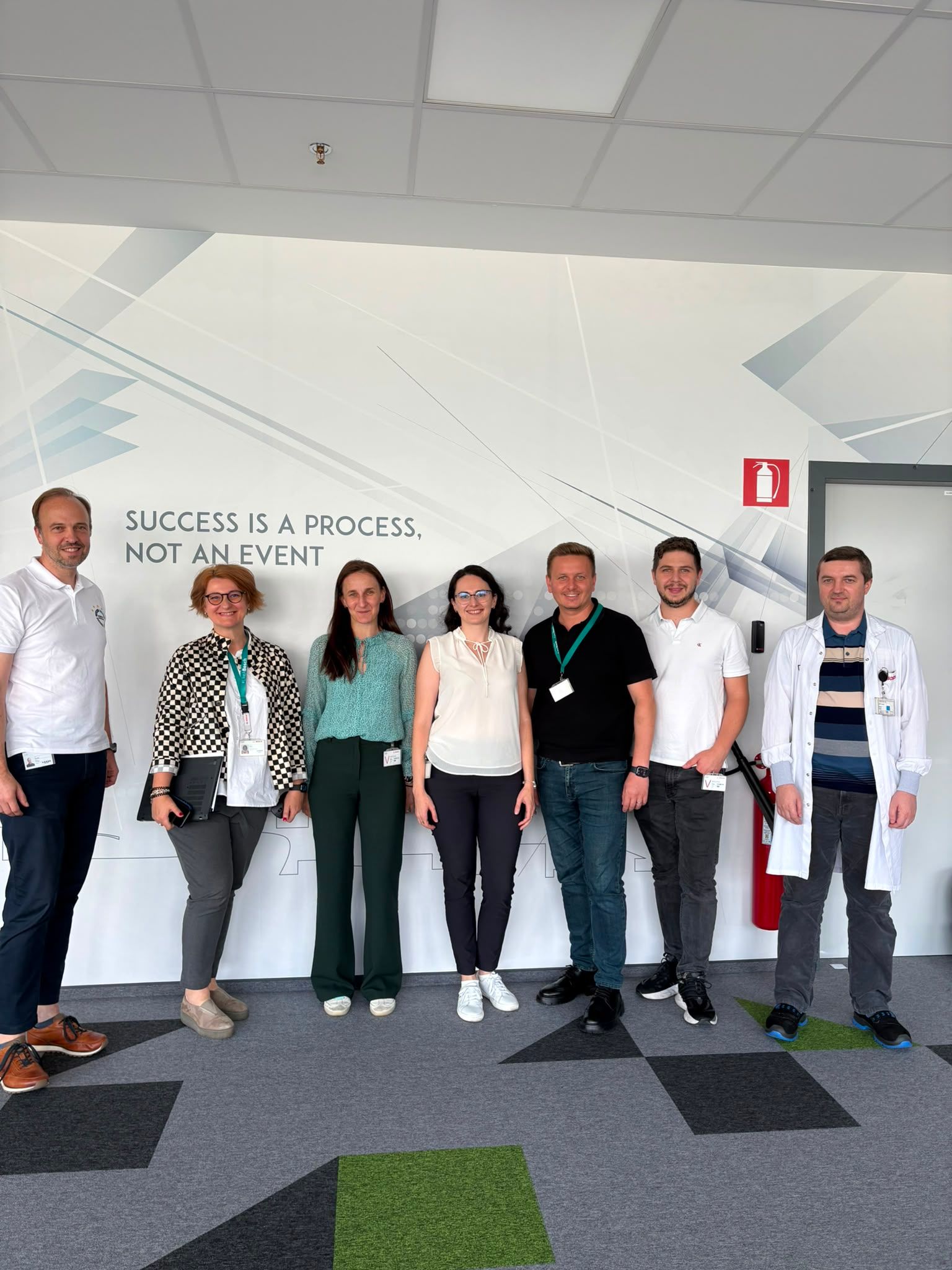
AIRi@UTCN and Bosch Cluj Plant explore Data-Driven Solutions for Integrated Circuit Testing
Bosch Cluj Plant and AIRi@UTCN are taking the first steps towards improving the integrated circuit testing process.
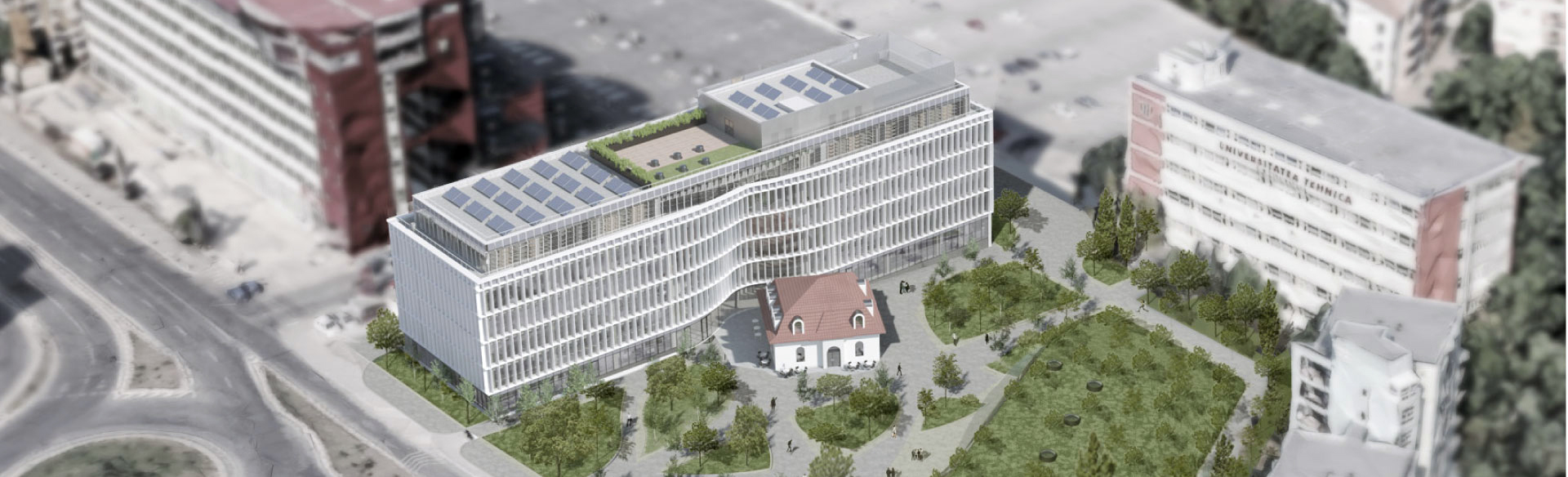
Advancing research, innovation, and exploration in the field of artificial intelligence at the Technical University of Cluj-Napoca.
Learn MoreAIRi@UTCN Inauguration 18 November 2026
The Artificial Intelligence Research Institute (AIRi) is a nexus for collaborative research at the Technical University of Cluj-Napoca. AIRi@UTCN promotes excellence in AI theory and practice, bringing together researchers across UTCN around a vision of open collaboration. Our work spans interdisciplinary research, AI literacy across disciplines, and impact through business and public co-creation partnerships.
Bosch Cluj Plant and AIRi@UTCN are taking the first steps towards improving the integrated circuit testing process.
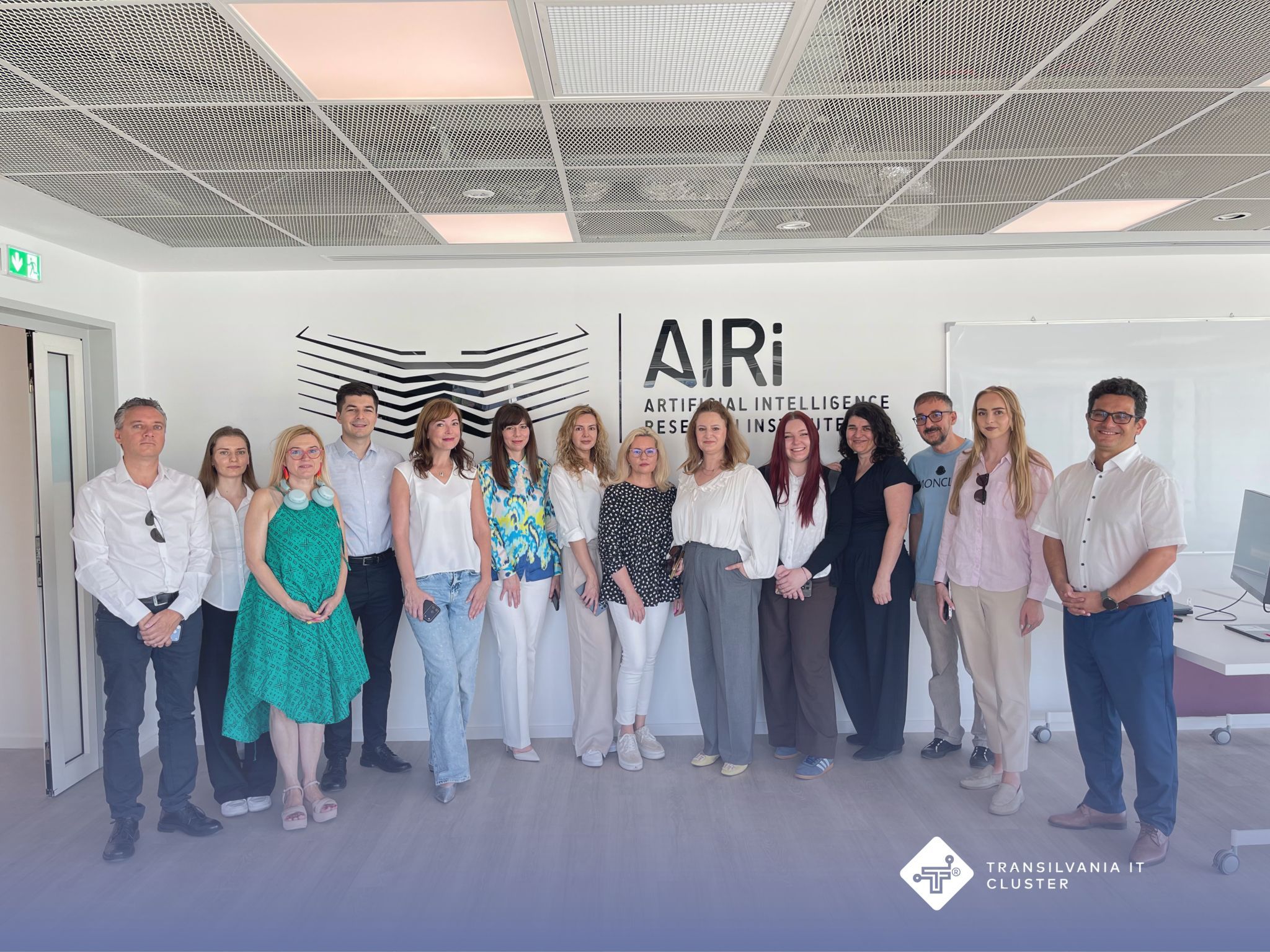
We were pleased to welcome the team from Transilvania IT Cluster to AIRi@UTCN, marking an important first step in preparing for two major projects that are about to start: RO AI Factory and TEDIHT 2.0. AIRi@UTCN and Transilvania IT Cluster are proud to be partners in both initiatives. Our meeting focused on identifying synergies, aligning priorities, and preparing the first activities of the projects - with a shared ambition: turning research and innovation into real impact for companies and society. bringing together research, industry, innovation, and the regional digital ecosystem.

AIRi@UTCN is pleased to welcome Prof. Mihai Surdeanu, Professor of Computer Science at the University of Arizona, who is joining the Technical University of Cluj-Napoca as a Fulbright U.S. Scholar during the September-December 2026.